Many women assume collagen decline is only about wrinkles. This guide walks through what gelatin actually is, how it shows up in traditional kitchens, and why satiety and lean mass matter more than a number on a scale.
The body doesn’t announce these shifts loudly. It just quietly changes the rules — and most diet advice was written for a different set of rules entirely.
The signals that once told you 'you're full' can become less reliable over time, which is one reason gelatin and other protein-rich habits get discussed alongside satiety.
Muscle and connective tissue don't stay static across the years — and this shift matters more for how you feel day to day than most scales ever show.
Skin, joints, and connective tissue all rely on the same structural protein family — the visible signs are just the part you happen to notice first.
Most mainstream diet frameworks were designed around calorie math alone, leaving out the texture, tissue, and habit questions women are asking today.
A lot of what gets repeated about women’s metabolism doesn’t hold up well once you look closer.
Your metabolism ‘breaks’ after a certain age.
Metabolic rate changes gradually and is influenced heavily by lean mass and activity — not a switch that flips overnight.
Eating less is always the answer to feeling less hungry.
Satiety is tied to protein quality and habit consistency, not just total calories eaten.
Weight loss and body composition are the same thing.
Two women can weigh the same and have very different amounts of lean tissue, hydration, and structural protein — the scale doesn’t separate these.
Nothing complicated — just a practical order of operations.
Before changing anything, get clear on which signals show up for you — energy dips, joint stiffness, skin texture, or shifting hunger cues.
Instead of cutting things out first, many women start by adding a consistent protein-rich habit — like gelatin — into an existing routine.
Consistency is the measurable part. Let the habit stay boring and repeatable rather than chasing a specific result.
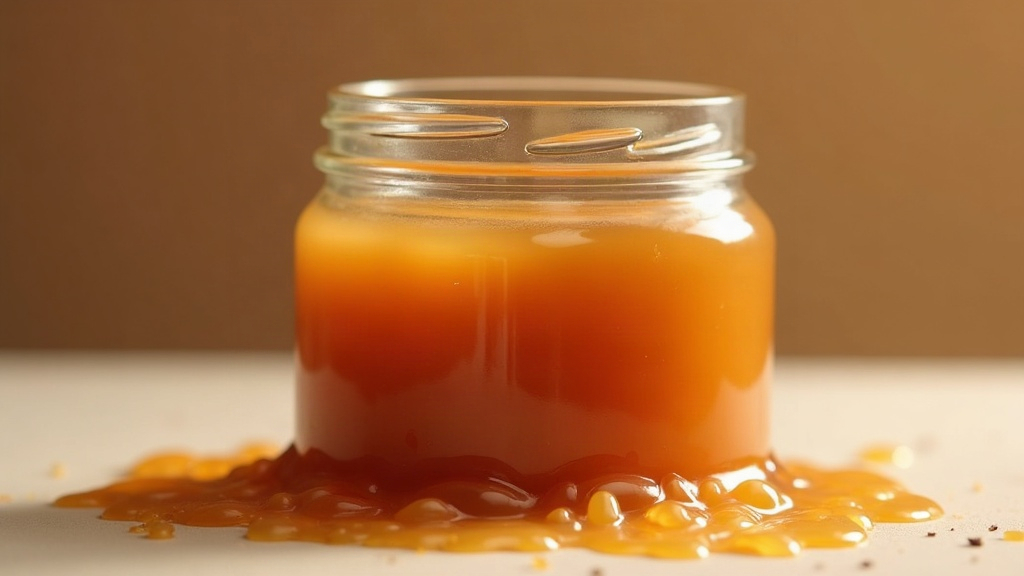
Long before it was a wellness topic, gelatin was a kitchen staple — simmered from bones and connective tissue in broths, aspics, and slow-cooked traditions passed through generations of home cooks. It wasn’t framed as a supplement; it was simply how households used every part of an ingredient. That same structural protein is what shows up today in conversations about skin, joints, and satiety — it’s the same substance, just a different context.
The interesting part isn’t that gelatin is new. It’s that a very old kitchen habit is now being looked at through a modern lens of collagen and connective tissue support.
Feeling hungry sooner after meals, or less satisfied by portions that used to feel sufficient.
Noticing less elasticity or a different feel to skin, particularly around the face and hands.
Mornings feeling stiffer than they used to, or joints that take longer to 'warm up.'
Clothes fitting differently even when the number on the scale hasn't moved much.
A midday drop in energy that feels different from ordinary tiredness.
Nails that seem more brittle, or hair that feels thinner or slower to grow.
These statements reflect individual experiences shared for illustrative purposes only. They are not a guarantee of any outcome, and individual results may vary.
Hydrolyzed gelatin is a form of gelatin that has been broken down into smaller protein fragments, making it easier to mix into liquids. It comes from the same collagen-rich connective tissue as traditional gelatin.
It’s related — both come from the same source protein — but forms and preparation can differ depending on the intended use.
No. This content is educational and focuses on habits, satiety, and body composition topics. It does not promise weight loss or any specific outcome.
It’s written for women who want to understand collagen, satiety, and traditional food habits in more depth — not for any specific age group or condition.
Yes. Always consult a qualified healthcare professional before making changes related to diet or supplementation.
Historically it’s a food ingredient used in cooking. Today it’s also discussed in supplement contexts, but its origin is culinary.
The full video walks through the traditional origins, the science terminology in plain language, and how the habit fits into daily routines.
Watch the full explainer to see how gelatin, satiety, and body composition connect — explained in plain language, without promises.
Advertising Disclosure: This page contains sponsored content and affiliate links. We may receive compensation when you click certain links or make a purchase through this site. This helps support the educational content we provide.
Content Disclaimer: This content is for educational purposes only and has not been evaluated by the FDA. Nothing on this page is intended to diagnose, treat, cure, or prevent any disease or condition. Always consult a qualified healthcare professional before making changes to your diet, routine, or supplement use.
Results Disclaimer: Individual results may vary. Testimonials and experiences shared on this page are not a guarantee of any specific outcome, and should not be interpreted as a promise of results for any individual.
© 2026 · All Rights Reserved · Contact